
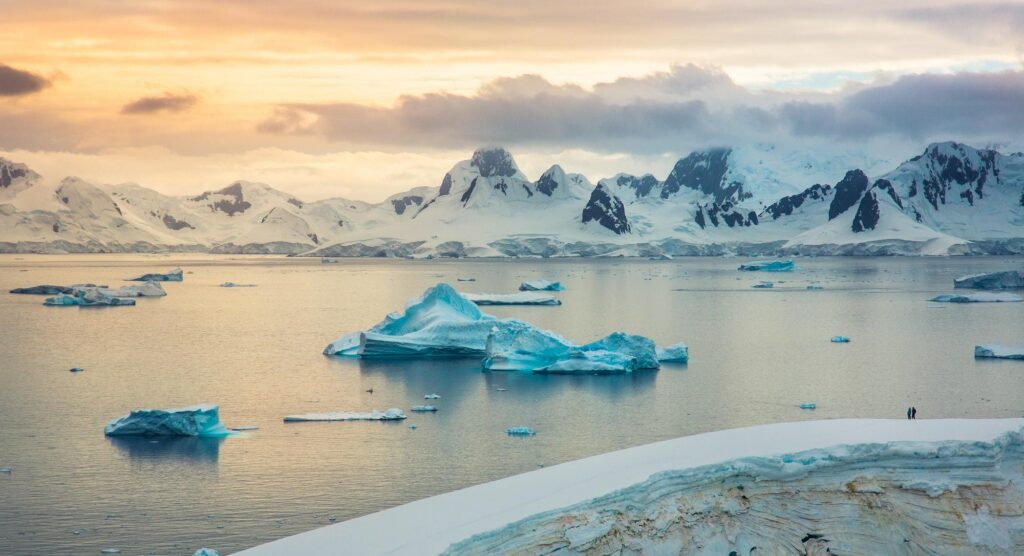
The Antarctic Peninsula is one of the most captivating destinations on Earth, offering a range of experiences for travelers seeking adventure and wildlife viewing. The best time to cruise this region is typically from November to March, when the weather is milder and the ice has receded enough to navigate the icy waters safely.
During this period, sightings of emperor penguins, Gentoo penguins, whales, and other marine wildlife are at their peak, providing unforgettable encounters. The region’s dramatic icebergs, glaciers, and snow-covered mountains create breathtaking scenery at every turn.
Most cruises to Antarctica depart from Buenos Aires, with international flights included in many packages for convenience. Before booking, consider the size and number of cabins, onboard amenities, and the expertise of the expedition team. Many cruises also allow guests to participate as a citizen scientist, contributing to research in marine biology and monitoring wildlife populations. Choosing the right cruise ensures your adventure aligns with your interests and provides maximum enjoyment in one of the largest ice-covered regions of the planet.
Experiencing Antarctica Highlights and Wildlife
The wildlife of Antarctica is a major draw for travelers. Penguins, whales, and seals inhabit this pristine environment, creating some of the most memorable encounters on the planet. Iconic emperor penguins and Gentoo penguins can be observed in their natural habitats, while humpback whales and orcas are frequently spotted in the surrounding Antarctic waters.
Onshore, explorers may find Adélie penguins and other seabirds nesting along the icy coast. With a pair of binoculars, you can witness these incredible animals up close, enjoying behaviors that are unique to the polar regions. Activities such as zodiac cruising, kayaking, and camping in Antarctica allow travelers to engage fully with this extreme environment while guided by knowledgeable staff and expedition leaders like Scott and Thomas.
Beyond wildlife, visitors can experience Antarctica’s dramatic landscapes. Towering glaciers, jagged cliffs, and ice-free areas create Antarctica highlights that are unlike anywhere else on Earth. Activities such as zodiac cruising, kayaking, and camping in Antarctica allow travelers to engage fully with this extreme environment while guided by knowledgeable staff.
Iconic Stops: Falkland Islands and South Georgia
Many Antarctic cruises include stops at the Falkland Islands South Georgia, renowned for abundant wildlife and historical significance. Here, travelers can observe massive colonies of emperor penguins, Gentoo penguins, and other seabirds. Seals and sea lions often bask on the rocky shores, adding to the rich wildlife viewing opportunities. These destinations complement the natural beauty of the Antarctic Peninsula, creating a diverse and immersive journey across the polar regions.
Onboard, your expedition team will provide insights into the local ecosystems, sharing knowledge about penguin colonies, seal populations, and marine mammals. Travelers who participate as a citizen scientist can contribute to ongoing research, making their trip both educational and impactful.
Why Cruises to Antarctica Are Unforgettable
For over 20 years, travelers have been exploring Antarctica on cruise expeditions, drawn by the combination of adventure, education, and breathtaking scenery. Cruises to Antarctica offer a range of experiences, from observing penguins and whales to exploring glaciers, icebergs, and untouched wilderness. Guided hikes, kayaking, and camping in Antarctica allow visitors to connect with the environment in a way few other destinations offer.
Whether you are navigating the icy waters of the Antarctic Peninsula or observing Gentoo penguins and majestic whales, an Antarctic cruise creates lifelong memories. Departing from Buenos Aires, many cruises include international flights, onboard accommodations, and a full schedule of activities with an expert expedition team specializing in marine biology. Each day brings new discoveries, from Antarctica highlights to close encounters with wildlife in their natural habituated regions on Earth.
