
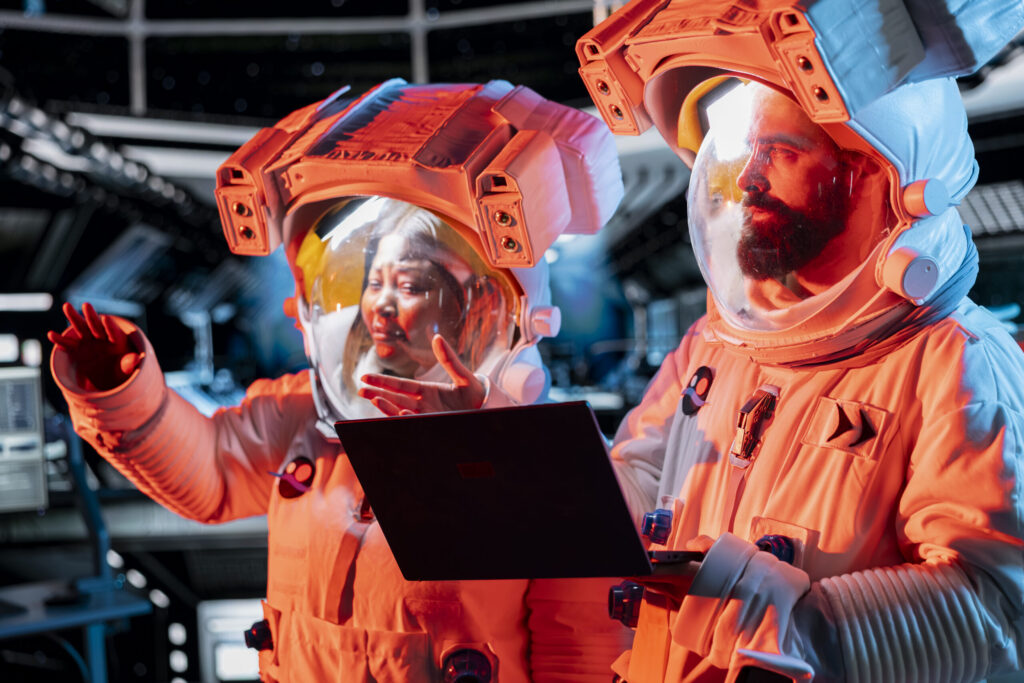
For most of human history, space exploration belonged solely to governments and trained astronauts. That picture has shifted in recent years as the space tourism industry has moved from concept to reality. Thanks to rapid advances in technology and serious private investment, space flight is no longer limited to research missions. It is becoming part of the broader tourism industry, attracting attention from innovators, investors, and future space tourist hopefuls around the world.
The idea of seeing Earth from outer space has always carried a powerful appeal. Today, companies are building real pathways to make that dream possible, whether through suborbital flights or long term plans that include orbit space stays and even space hotels.
How We Got Here
The modern story of space tourism often starts in 2001, when Dennis Tito paid 20 million for a journey to the International Space Station ISS. That single trip proved that private citizens could safely travel beyond the atmosphere. It also opened the door for space companies to imagine a commercial future beyond government contracts.
Momentum picked up as figures like elon musk, richard branson, and jeff bezos invested heavily in reusable rockets and passenger focused designs. Their efforts helped lower costs and sparked competition among private companies eager to define the next era of space exploration.
Suborbital Flights and the Kármán Line
Most early space tourism experiences focus on suborbital flights. These missions cross the kármán line, widely accepted as the boundary between Earth and space. While brief, these flights offer weightlessness and sweeping views of the planet, which is more than enough to qualify someone as a space tourist.
Leaders in this segment include blue origin and virgin galactic, both of which have already carried paying passengers. These companies emphasize safety, training, and experience, recognizing that their customers are travelers first and astronauts second.
Space Perspective and New Approaches
Among newer entrants, space perspective stands out by offering a different kind of journey. Rather than high speed rocket launches, the company focuses on a slower ascent that prioritizes comfort and observation. This reflects a broader trend in the space tourism market toward varied experiences that appeal to different comfort levels and expectations.
This diversification is healthy for the industry. It shows that space flight does not have to follow a single model and that innovation can come from rethinking the entire experience, not just the launch vehicle.
Space Perspective and Experience-Driven Design
Among emerging players, space perspective highlights how varied space tourism can be. Instead of high acceleration rocket launches, the company emphasizes a slower, more contemplative ascent that prioritizes comfort, panoramic views, and accessibility. This approach appeals to travelers who want the wonder of space without the physical intensity of traditional launches.
This focus on experience mirrors trends across the tourism industry, where personalization and comfort often matter as much as the destination itself.
Regulation and the Role of the United States
As commercial activity increases, regulation becomes more important. In the united states, the Federal Aviation Administration oversees commercial launches and passenger safety. While the regulatory framework is still evolving, it provides structure that helps protect travelers while allowing innovation to continue.
Clear rules also give confidence to investors and partners, including firms like Scott and Thomas, that see opportunity in supporting this emerging sector.
The Market Outlook
Analysts expect the space tourism market to grow steadily over the next decade. While prices remain high, demand continues to rise among those seeking rare and meaningful experiences. Over time, improvements in technology and operations may bring costs down and expand access.
Long term visions include private modules in orbit space, extended stays, and the eventual launch of space hotels. These ideas may sound ambitious, but they follow the same pattern seen in aviation and other travel industries that started exclusive and gradually became more accessible.
A Broader Impact Beyond Tourism
Beyond leisure, the growth of space tourism supports wider space exploration goals. New vehicles, materials, and systems developed for passengers often find uses in science, communications, and Earth observation. The industry also inspires public interest, reminding people that progress often begins with curiosity and bold ideas.
Looking Ahead
The space tourism industry is still young, but its direction is clear. Private companies are reshaping how humans interact with space, turning outer space from a distant concept into a reachable destination. While challenges remain, from cost to regulation, the pace of innovation suggests that space flight will continue moving closer to everyday life. As more people look up and imagine themselves above the planet, space tourism stands ready to turn that imagination into experience.
