
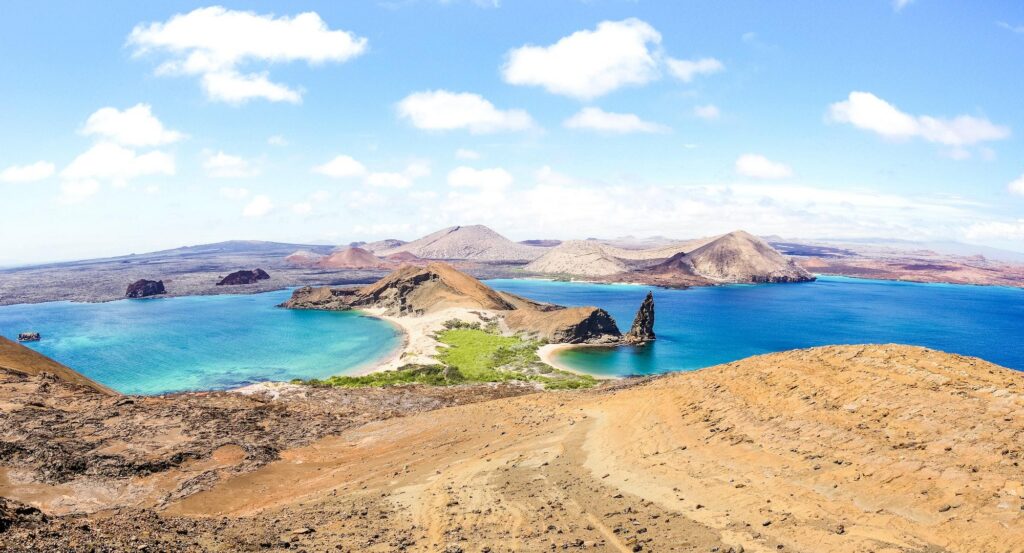
The Galápagos Islands are a remarkable destination in the Pacific Ocean, located about 600 miles off the coast of Ecuador. This volcanic archipelago is renowned for its biodiversity and is home to species found nowhere else on Earth. Recognized as a UNESCO World Heritage Site, the islands are a prime example of evolution by natural selection.
Visitors can explore habitats of the famous Galápagos finches, including large ground finches, tree finches, and the green warbler finch. These small intimately related groups of birds offer a real-life view of Darwin’s theories in action, with beak size and shape adapting to different food sources across the islands.
The Galápagos Islands’ volcanic islands create a dramatic backdrop for wildlife exploration. From medium ground finch geospiza fortis hopping along the trails to the diversity of species of finches in each island’s unique ecosystem, every corner of this archipelago tells the story of adaptation and survival. Conservation efforts on islands such as Floreana Island and Santa Cruz Island protect habitats for these species of Darwin finch while maintaining the delicate balance of the original paucity of birds that once existed.
Santa Cruz Island and the Hub of Exploration
Santa Cruz Island is the central point for visiting the Galápagos Islands. The town of Puerto Ayora serves as a hub for tourism and conservation, hosting the Charles Darwin Research Station. Here, visitors can learn about the evolution and conservation of Galápagos finches and other iconic wildlife. Walking along the trails to Tortuga Bay Beach or visiting the Galapagos National Park Service Visitor Center provides a deeper understanding of the islands’ ecosystems, including volcanic formations and unique food sources that shape the survival of local species.
Santa Cruz Island also showcases the interplay between humans and nature. The indigenous communities and settlers on the island have preserved cultural traditions while contributing to conservation efforts. This balance allows visitors to enjoy both the rich culture and natural beauty of the archipelago. Exploring the beaches, lookout points, and hiking trails provides an immersive experience in one of the world’s most celebrated ecological and cultural destinations.
History, Culture, and Conservation in the Galápagos
The Galápagos Islands are not just about wildlife; they are steeped in history. Early human settlements from Coastal Maya and Inca civilizations were followed by European explorers, pirates, and whalers. These historical layers add cultural depth to a visit, alongside modern-day conservation and research initiatives. The islands’ communities continue to thrive while supporting scientific efforts to maintain the ecosystems of volcanic islands.
Visiting the Galápagos Islands offers a rare opportunity to witness evolution in action. Observing groups of Darwin’s finches, from the small intimately related group of tree finches to large ground finches, highlights the connection between environmental pressures and adaptation. Whether studying beak size and shape or enjoying the laid-back island lifestyle, the Galápagos Islands combine the origin of species with hands-on conservation experiences, making it a truly unforgettable adventure.
Witness Evolution with Galápagos Finches
One of the most fascinating aspects of visiting the Galápagos Islands is observing the Galápagos finches in their natural habitat. Each island hosts a slightly different species of finch, and their beak size and shape have adapted to specific food sources over generations. From the small intimately related group of tree finches to the larger ground finches, these birds provide a living example of evolution by natural selection. Watching galapagos finches feed, interact, and thrive offers a unique insight into the delicate balance of life on volcanic islands.
Explore Volcanic Islands and Unique Ecosystems
The Galápagos Islands are a network of volcanic islands that provide distinct habitats for wildlife and plant species. Santa Cruz Island, Floreana Island, and other volcanic islands each have their own ecosystems, shaping how Galápagos finches and other species survive. Trails, beaches, and lookout points reveal the stark beauty of volcanic landscapes alongside the lush areas where the finches forage. Observing these birds against the backdrop of craggy lava flows and turquoise waters highlights how isolation has driven evolutionary adaptation.
Conservation Efforts Protect Galápagos Finches
Conservation efforts across the Galápagos Islands play a crucial role in protecting Galápagos finches and other endemic species. The Charles Darwin Research Station on Santa Cruz Island focuses on breeding programs, habitat restoration, and educating visitors about the importance of preserving these species. Protecting the islands’ volcanic landscapes and unique food sources ensures that the small intimately related groups of finches continue to thrive. Visiting the islands today allows travelers to witness these efforts firsthand while appreciating the incredible diversity of life that has evolved in isolation.
Discover the Diversity of Galápagos Finches
The Galápagos Islands are home to a remarkable diversity of Galápagos finches, each adapted to the specific environment of its island. From the medium ground finch Geospiza fortis to the green warbler finch, these species of Darwin finch demonstrate the link between beak size and shape and available food sources. Visitors can observe small intimately related groups feeding, nesting, and interacting in ways that reveal the subtle pressures of evolution by natural selection. Seeing Galápagos finches in their natural habitat is like watching a living experiment in adaptation unfold.
Floreana Island and the Beak of Adaptation
Floreana Island is a hotspot for spotting various species of finches, including tree finches and large ground finches. Each species has evolved distinct beaks suited to cracking seeds, probing flowers, or picking insects from volcanic terrain. The islands’ original paucity of birds meant that Galápagos finches quickly diversified to fill ecological niches, illustrating Darwin’s theory in action. Walking along Floreana’s trails, you can witness how beak size and shape directly affect survival and reproduction in these birds.
Supporting Conservation of Galápagos Finches
Efforts to protect Galapagos finches are central to the Galápagos Islands’ conservation programs. Research stations monitor species populations, restore habitats, and educate visitors about threats like invasive species. Maintaining natural food sources and volcanic island ecosystems ensures that the small intimately related groups of finches continue to thrive. By visiting the islands responsibly, travelers contribute to ongoing conservation efforts while experiencing firsthand the incredible evolution of Darwin’s finches.
Conclusion
The Galápagos Islands are an extraordinary destination where nature, history, and culture converge. From observing the diverse species of finches and learning about evolution by natural selection to exploring Santa Cruz Island and its conservation initiatives, there is something for every traveler. These volcanic islands provide an intimate connection to wildlife and the chance to understand the origin of species in their natural habitats. Contact Scott and Thomas today and start planning your journey to the Galápagos Islands for an experience you will treasure forever.
