
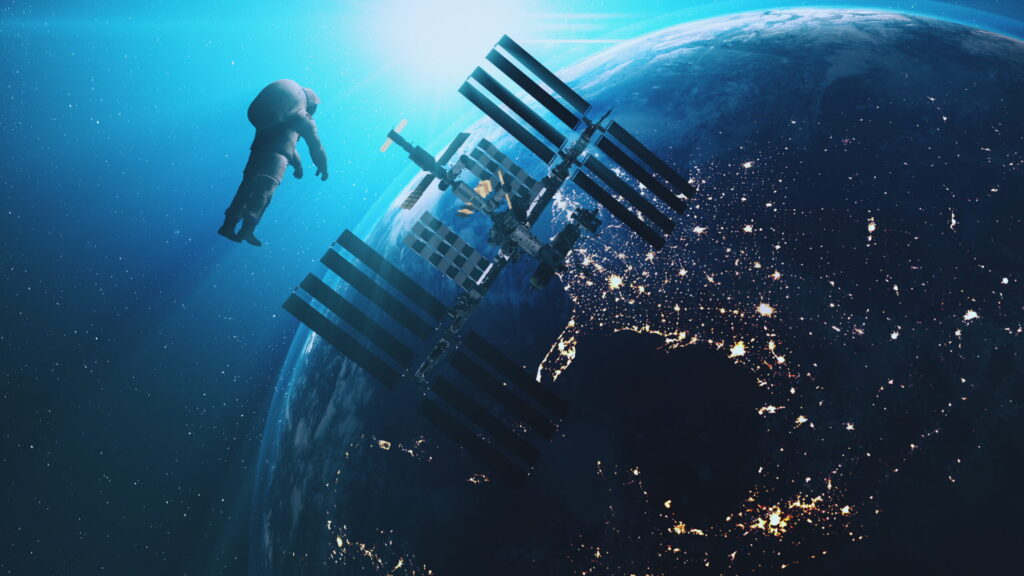
The New Era of Space Travel
The space race, once the exclusive domain of superpowers and their government space agencies, has now been democratized with the advent of commercial space travel. Pioneers such as SpaceX’s Elon Musk, Blue Origin’s Jeff Bezos, and Virgin Galactic’s Richard Branson have ignited a new era of exploration that extends far beyond the International Space Station ISS. While the early 2000s saw the very first space tourist, Dennis Tito, pay a staggering 20 million dollars for a week in orbit, the landscape has shifted toward a more diverse and frequent cadence of space flight. Now, a fresh player has entered the arena, aiming to offer a unique, accessible, and awe-inspiring journey to the edge of space: Space Perspective.
The Space Perspective Vision
Space Perspective is planning to revolutionize space tourism with its Spaceship Neptune, a spacecraft designed to offer the most accessible, sustainable, and safest journey to space. The primary take-off location is from the iconic NASA Kennedy Space Center in Florida, United States, with future plans to operate from several stunning locations around the world. The company’s vision is to give as many people as possible a new perspective on Earth and space, creating a profound sense of awe and wonder without the high-stress environment of traditional launch vehicles.
This vision is backed by impressive growth in the space tourism industry. As of late 2025, the global market is valued at approximately 1.61 billion dollars, and it is projected to skyrocket toward 46 billion dollars by the mid 2030s. This surge is driven by a massive increase in demand from high net worth individuals who are shifting their spending from material goods to “transformative experiences.” Interestingly, while the United States leads the market with nearly 40 percent of global bookings, interest is becoming truly global. For instance, the Asia Pacific region is currently the fastest growing market, contributing a 21.5 percent share in 2025 thanks to rising disposable incomes and a growing appetite for extreme luxury in countries like China and India.
The Spaceship Neptune Experience
Unlike the adrenaline-fueled space launches we have become accustomed to from companies like Blue Origin, Spaceship Neptune offers a gentler ascent. Propelled by a renewable hydrogen-filled SpaceBalloon, the Spaceship Neptune ascends slowly at a rate of 12 mph, making the journey accessible to anyone medically fit to fly with a commercial airline. This removes the physical barrier of high G-forces that often accompanies suborbital flights on rocket-powered craft.
The journey begins at dawn, and over the course of 6 to 12 hours, passengers will experience a slow ascent to the recognized boundary of space, taking approximately 2 hours to reach their peak altitude of 100,000 feet. Once at the apex of the journey, passengers will have around 2 hours to observe the breathtaking panorama of our home planet and take photographs of the blackness of earth orbit. The descent, also taking around 2 hours, culminates in a splashdown. The actual flight path may vary slightly depending on weather conditions, but the experience remains consistently serene.
Unparalleled Safety and Comfort
Spaceship Neptune’s pressurized capsule remains secured to the SpaceBalloon for the entire flight, from liftoff to splashdown. This design, coupled with a reserve descent system equipped with four parachutes, ensures a safe and gentle flight experience. These safety measures have been proven effective over decades of human spaceflight and scientific ballooning.
The capsule itself is designed for maximum comfort and enjoyment. It features nine reclining, plush seats, accommodating eight space tourists and a pilot. The seats can be reconfigured for special events, like a romantic dinner for two or even a wedding in space. The capsule’s interior boasts the largest panoramic windows flown to space, offering a stunning 360-degree view of Earth and the cosmos.
Space Explorers can also enjoy Wi-Fi connectivity, enabling live streaming of their unique experience to friends and family on Earth. Other onboard amenities include a refreshments bar and cabinet for personal belongings, making the journey as comfortable as it is thrilling. This level of luxury is a far cry from the cramped quarters of the Soyuz capsules that carried the first space tourist pioneers.
The “Space Lounge” and Sensory Immersion
A key differentiator for Space Perspective is the interior environment, dubbed the world’s first “Space Lounge.” Unlike the metallic, utilitarian cabins of traditional launch vehicles, the Neptune capsule feels like a high-end boutique hotel. The design team focused on a dark, muted color palette to minimize glare on the windows, ensuring that the earth orbit views remain the star of the show.
The lounge is outfitted with sustainable materials, including a bar top handcrafted from recycled materials. Even the “Space Spa” — the onboard restroom — features a massive window so guests never have to miss a second of the vista. To heighten the sensory experience, the cabin features customizable mood lighting and even real plants and herbs, such as lavender and rosemary, used in the preparation of specialized molecular gastronomy meals and cocktails. This level of sensory detail is designed to ground the traveler even as they float 100,000 feet above the ground.
Scientific and Environmental Significance
While space tourism is the primary draw, the technology behind Spaceship Neptune has significant scientific and environmental benefits. Because the balloon uses renewable hydrogen and operates via buoyancy rather than combustion, the flight is carbon-neutral. This stands in stark contrast to traditional rockets, which can emit hundreds of tons of carbon dioxide and soot directly into the sensitive stratosphere.
Furthermore, the six-hour duration and stable platform of the capsule provide a unique opportunity for atmospheric research. Space agencies are already looking at these platforms as a way to conduct high-altitude experiments that were previously too expensive or too brief to be effective on sounding rockets. For the environmentally conscious space tourist, knowing that their journey leaves near-zero emissions is a major selling point in 2025’s travel market.
The New Space Race by the Numbers
The entry of Space Perspective into the commercial space sector marks an exciting development in the new space race. As spaceflight companies continue their pursuit of taking private crew members to the International Space Station ISS, Space Perspective is carving out its own niche.
To put the current state of space exploration into perspective, consider these 2025 milestones:
Representation of diverse racial groups is also increasing. To date, approximately 20 astronauts of African descent and over 15 of Hispanic or Latino descent have reached orbit or beyond, and private orbital flights are expected to triple these numbers by 2030.
In June 2025, a Blue Origin flight carried the 750th human ever to reach space.
More than 290 individuals from 26 different countries have now visited the International Space Station ISS.
While white males historically dominated human spaceflight, the demographic of the modern space tourist is shifting. In April 2025, Blue Origin launched its first all-female crew, and recent data shows that nearly 30 percent of new space tourism reservations are being made by women.
Psychological Impact: The Overview Effect for All
The most profound part of the journey is not the luxury, but the psychological shift known as the “Overview Effect.” Historically, only highly trained astronauts experienced this cognitive change — a feeling of overwhelming connection to humanity and a sense of the Earth’s fragility. By making the edge of space accessible to people without years of training, Space Perspective is effectively democratizing this philosophical enlightenment.
Research into these high-altitude flights suggests that even at 30 kilometers up, the view of the thin blue line of the atmosphere against the blackness of space is enough to trigger this state of awe. In an increasingly divided world, the company’s founders believe that giving more people this perspective could have a lasting positive impact on how we treat our home planet. It is not just a vacation; it is a recalibration of one’s place in the universe.
The Future of Commercial Space Destinations
As we look toward 2026 and beyond, the space tourism industry is evolving from “joyrides” to “destinations.” While Space Perspective offers a six-hour journey, other spaceflight companies are working on commercial space stations that will act as orbital hotels. However, the Neptune capsule remains the most viable “entry-level” experience for those who want the view without the week-long commitment or the intense physical training.
The data from 2025 shows that suborbital and near-space flights are becoming the “new safari.” Travelers are increasingly looking for ways to spend their capital on things that provide a story to tell and a new way to see the world. Space Perspective’s success in selling over 1,800 tickets before their first commercial flight even launched is a testament to this cultural shift. We are no longer asking if we can go to space, but rather how we want to experience it.
A Transformed Perspective on Earth
The dawn of commercial space travel has opened up an exciting new frontier for humankind. A realm once reserved for a handful of highly trained astronauts is now becoming accessible to the everyday explorer. With the introduction of Space Perspective and its innovative Spaceship Neptune, we find ourselves standing at a pivotal moment in this era of exploration, one that promises to redefine our relationship with space and our understanding of our place in the universe.
Space Perspective’s Spaceship Neptune offers more than just a journey to the edge of space—it offers a transformative, life-changing experience. The gentle ascent and descent, the unparalleled 360-degree views of Earth, and the ultimate comfort of the pressurized capsule make this space flight a luxurious and awe-inspiring adventure, unlike any other. It allows travelers to witness the “Overview Effect” without the rigorous training required for orbital flights.
At Scott and Thomas, we are thrilled and honored to be part of this extraordinary chapter in space exploration and travel. We are deeply committed to helping you realize your dreams of space travel and will guide you every step of the way. Our team of experienced travel consultants is on standby to provide detailed information, answer any questions, and assist you in making your reservation for this unique journey.
We understand the excitement, curiosity, and wonder that the prospect of space travel brings, and we share your passion for adventure. We believe that space travel should be a dream within reach and not just the stuff of science fiction. It is with this spirit that we invite you to join us in making history. Embrace the chance to become a space tourist, to witness the Earth from a perspective few have had the privilege to see.
The recognized boundary of space is closer than you might think, and the journey there is now smoother and more accessible than ever before. Whether you are an aspiring astronaut, a thrill-seeker, or someone simply in search of the truly unique, we at Scott and Thomas are here to turn your dreams into reality. So why wait? The time is now. Contact Scott and Thomas today to take the first step toward your unforgettable journey. Spaceship Neptune awaits you, ready to gently carry you to the edge of space and beyond, providing an unparalleled adventure that you will carry in your heart for a lifetime.
The maturation of the space tourism industry has reached a tipping point where luxury and accessibility are finally meeting the stars. As of December 2025, private companies have successfully carried over 120 civilians to the edge of space, fundamentally shifting the demographic of who gets to see the earth orbit. With over 1,800 individuals globally having already placed deposits for suborbital and near-space flights, the era of the private explorer is no longer a futuristic concept but a present-day reality. This massive influx of private capital is not only funding leisure trips but also accelerating the development of launch vehicles that will eventually lower the cost of space exploration for scientific and educational purposes as well. We are witnessing a historic transition where the cosmos is no longer a destination for the few, but a landmark for the many.