
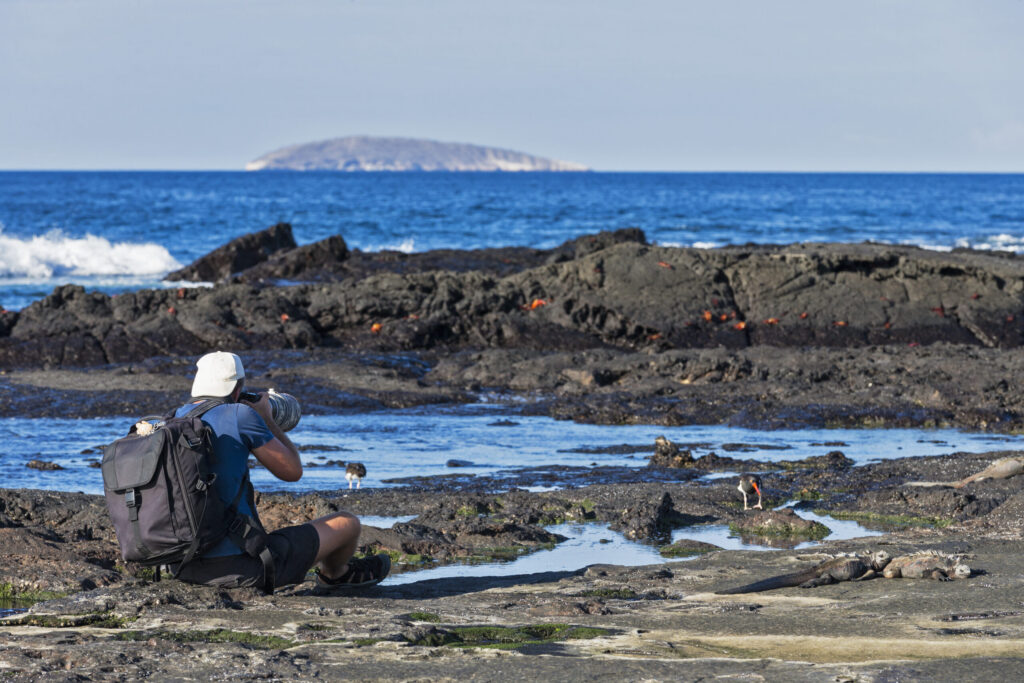
Traveling to the Galapagos Islands is one of those experiences that instantly earns a spot on a bucket list. Located about 600 miles off the coast of mainland Ecuador, the Galápagos Islands feel like a world apart. This remote chain of volcanic islands is famous for its untouched ecosystems, crystal clear waters, and wildlife found nowhere else on Earth.
The islands in the archipelago are carefully protected, with strict visitor rules designed to preserve their fragile environments. Nearly all land-based visitor sites fall within Galápagos National Park, making conservation part of everyday travel here. From the moment you arrive, it is clear that island traveling in the Galápagos is about respect, curiosity, and awe.
Understanding the Galápagos Archipelago
The Galápagos Islands consist of 13 major islands, several smaller islands, and countless islets scattered across the Pacific. Isabela is the largest island, known for its dramatic volcanic landscapes and diverse habitats. Santa Cruz, one of the most visited islands, serves as a central hub for travelers and is home to the Charles Darwin Research Station.
Each galapagos island has its own personality. Some islands are lush with highlands, while others feel stark and otherworldly. These volcanic islands were formed over millions of years, shaping the landscapes that support such a unique mix of species today.
Wildlife Encounters You Will Never Forget
Marine life is one of the biggest draws when traveling to the Galapagos. Snorkeling and diving reveal a thriving underwater world filled with sea turtles, reef sharks, rays, and colorful fish. The nutrient-rich waters attract life in abundance, making every swim feel like a nature documentary.
On land, wildlife encounters are just as memorable. Sea lions lounge on beaches and benches as if they own the place. Marine iguanas bask on volcanic rocks after swimming in the ocean, and blue footed boobies perform their unmistakable mating dances. Giant tortoises, some weighing hundreds of pounds, roam freely in protected areas, offering a rare glimpse into a species that has lived for over a century.
Santa Cruz and the Heart of the Islands
Santa Cruz is often the starting point for traveling to the Galapagos Islands. The town of Puerto Ayora offers accommodations, dining, and access to nearby visitor sites. It is also where travelers can visit the Charles Darwin Research Station, an important center for research and conservation efforts across the islands.
From Santa Cruz, it is easy to plan a day trip to nearby locations, including beaches, highland farms, and smaller islands. This balance of comfort and adventure makes Santa Cruz an ideal base for exploring both land and sea.
Exploring Galápagos National Park
Galápagos National Park covers roughly 97 percent of the land area of the islands, making it one of the most significant protected areas in the world. Access to visitor sites is tightly regulated, and certified guides are required for most excursions.
These rules help preserve the delicate balance between tourism and conservation. Travelers are rewarded with pristine landscapes, well-maintained trails, and close encounters with wildlife that show little fear of humans. Visiting galapagos national park feels less like sightseeing and more like stepping into a living classroom shaped by nature.
Island Hopping and Day Trips
Island traveling is a popular way to experience the diversity of the Galápagos. Ferries and guided tours connect Santa Cruz with smaller islands like Floreana, Bartolomé, and North Seymour. Each island offers different scenery and wildlife, from penguin sightings to lava fields and panoramic viewpoints.
A well-planned day trip can include snorkeling in crystal clear waters, hiking volcanic terrain, and observing nesting birds. While cruises are common, land-based island hopping allows travelers more flexibility and time to explore at their own pace.
Planning Your Trip to the Galápagos
Planning your trip to the Galápagos requires more thought than a typical vacation, but the payoff is worth it. Flights usually route through Quito or Guayaquil in mainland Ecuador before continuing to the islands. Once there, visitor fees and transit control cards are required, supporting conservation efforts.
Choosing accommodations, guides, and activities in advance helps ensure availability, especially during peak seasons. Whether you prefer guided tours or independent exploration, traveling to the galapagos rewards those who plan carefully and travel responsibly.
For official park rules and visitor guidelines, the Galápagos National Park Directorate provides helpful information.
Why the Galápagos Feel So Different
What sets the Galápagos Islands apart is how closely nature and travel intersect. Wildlife encounters happen naturally, without fences or enclosures. Animals go about their routines while visitors observe quietly, creating a sense of shared space rather than spectacle.
The protected area status ensures that development remains limited, keeping the focus on preservation. This approach allows future generations to experience the islands much as they exist today, wild, raw, and extraordinary.
A Journey That Stays With You
Traveling to the Galapagos Islands is more than a trip. It is an immersion into one of the most remarkable ecosystems on the planet. From the marine life beneath the surface to the giant tortoises wandering volcanic highlands, every moment feels intentional and unforgettable.
Island traveling here encourages patience, observation, and respect for nature. Long after you return home, memories of sea lions, blue footed boobies, and crystal clear waters linger, reminding you that some places truly deserve their legendary status.
Experiencing Marine Life Up Close
One of the most magical aspects of traveling to the Galapagos Islands is the opportunity to witness marine life in its natural habitat. Crystal clear waters allow for remarkable snorkeling and diving experiences. Sea turtles gracefully glide alongside swimmers, while playful reef sharks and colorful fish dart through the coral. For those lucky enough to encounter them, playful sea lions add a delightful sense of whimsy to every underwater adventure.
Beyond the underwater world, the Galápagos seas are home to fascinating creatures like penguins, manta rays, and even whales passing through the archipelago seasonally. Smaller islands often provide unique vantage points for spotting wildlife, whether from the shoreline or a guided kayak excursion.
Immersing Yourself in Volcanic Landscapes
The volcanic islands themselves are as much a spectacle as the wildlife. Hiking across lava fields, visiting highland farms, or exploring the black sand beaches of Isabela Island allows travelers to see the geological forces that shaped the archipelago. Each galapagos island offers a distinct experience, from rugged cliffs to sheltered coves where marine iguanas bask in the sun. Walking these paths provides a sense of connection to the natural world and reminds visitors of the islands’ timeless beauty.
This combination of marine exploration and volcanic adventure makes every moment of traveling to the Galapagos feel like stepping into a living, breathing ecosystem where every sight is extraordinary. For those planning their adventure, Scott and Thomas can provide expert guidance, help arrange accommodations, and suggest the best activities to make your trip to the Galápagos Islands unforgettable.
