
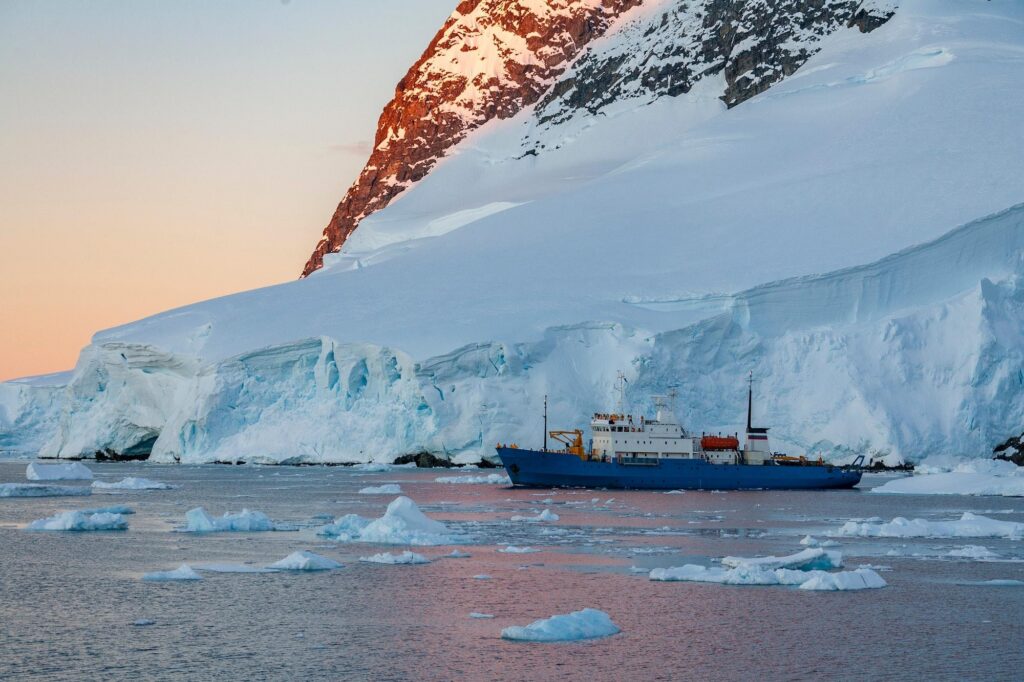
Antarctic cruises represent one of the most extraordinary travel experiences available today, opening the door to polar regions that remain largely untouched by modern life. Departing most often from South America, these journeys transport travelers across vast oceans toward a continent defined by ice, wildlife, and raw natural power. Unlike a traditional cruise ship vacation, a cruise to Antarctica focuses on exploration, education, and deep respect for the environment.
What sets these journeys apart is expedition cruising, a style of travel designed for remote areas where flexibility and expertise matter more than onboard entertainment. From the moment the ship leaves port, guests become part of an adventure shaped by weather, wildlife sightings, and daily shore landings. This sense of discovery is what continues to draw curious travelers to Antarctic expeditions year after year.
Expedition Ships Versus Larger Ships at Sea
One of the most important decisions when booking Antarctic cruises is choosing between expedition ships, small ships, and larger ships. Expedition ships are purpose built for icy waters, reinforced for navigating the Southern Ocean, and designed to carry fewer passengers. This smaller scale allows for more frequent shore landings and closer encounters with Antarctica’s dramatic landscapes.
Small ships typically carry under 200 passengers and provide an intimate atmosphere where guests quickly get to know both fellow travelers and expedition leaders. Larger ships can offer comfort and stability, but they are more limited in landing opportunities due to strict Antarctic regulations. For travelers focused on exploration rather than amenities, expedition cruising offers a far richer experience.
Expedition Leaders Bring Antarctica to Life
A defining feature of Antarctic expeditions is the presence of experienced expedition leaders. These specialists often include marine biologists, glaciologists, historians, and naturalists with years of field experience in polar regions. Their daily briefings, lectures, and guided excursions transform the journey into a floating classroom.
Whether explaining penguin behavior, the movement of glaciers, or the legacy of early explorers like James Cook, expedition leaders add depth to every moment. Their ability to adapt plans based on weather and ice conditions ensures that each day feels both safe and spontaneous. This human element is what elevates expedition voyages beyond sightseeing alone.
Wildlife Encounters in the Antarctic Peninsula
The Antarctic Peninsula is the most visited region on a cruise to Antarctica, and for good reason. This narrow stretch of land offers some of the continent’s most accessible wildlife and striking scenery. Gentoo penguins, Adélie penguins, and chinstrap penguins are frequently spotted along rocky shorelines and snowy ridges.
Seals lounge on floating ice while humpback whales surface in nearby waters, often within view of shore landings. Zodiac excursions allow travelers to glide quietly past icebergs and colonies, creating moments that feel almost unreal. These close encounters are carefully managed to protect the ecosystem while allowing meaningful observation.
Crossing the Legendary Drake Passage
No discussion of Antarctic cruises is complete without mentioning the Drake Passage. This body of water between South America and Antarctica is famous for its unpredictable seas and powerful currents. While the crossing can be challenging, it also serves as a rite of passage for polar travelers.
Modern expedition ships are equipped with stabilizers and experienced crews that make the journey far more comfortable than in the past. Wildlife sightings, including seabirds and whales, are common during calmer stretches. Reaching Antarctica after crossing the Drake Passage adds a powerful sense of accomplishment to the voyage.
Beyond the Peninsula South Georgia and Remote Islands
Many longer itineraries extend beyond the Antarctic Peninsula to include South Georgia and other remote areas of the Southern Ocean. South Georgia is often described as wildlife paradise, home to massive king penguin colonies, elephant seals, and historic whaling stations. It is also the final resting place of Sir Ernest Shackleton, one of the most legendary figures in polar exploration.
These remote islands offer insight into both natural history and human ambition. Visiting them deepens the narrative of Antarctic expeditions, connecting travelers to centuries of exploration, hardship, and scientific discovery. For those seeking a broader perspective, these stops are unforgettable highlights.
Modern Icons of Expedition Cruising
Several ships have become well known in the world of expedition cruising. Vessels such as the National Geographic Endurance and National Geographic Resolution represent the cutting edge of polar travel, blending advanced technology with sustainability. Ships like Sylvia Earle, Greg Mortimer, Magellan Explorer, and National Geographic Resolution are designed to minimize environmental impact while maximizing access.
These expedition ships emphasize education, comfort, and safety without losing the spirit of adventure. Their design supports frequent Zodiac launches, flexible itineraries, and safe navigation through ice filled waters. Choosing the right ship can greatly shape the overall experience.
Shore Landings and Daily Exploration
Shore landings are the heart of Antarctic expeditions. Using small inflatable boats, travelers step onto snow covered beaches, rocky outcrops, and ice shelves. Each landing is different, shaped by weather, ice conditions, and wildlife activity.
Activities may include short hikes, photography sessions, or quiet observation of penguin colonies. Kayaking is also offered on some voyages, providing a peaceful way to experience Antarctica from water level. These moments on land create lasting memories that go far beyond what can be seen from the deck of a cruise ship.
A Legacy of Exploration and Discovery
Antarctica has long captured the imagination of explorers, from James Cook’s early voyages to the heroic age of polar exploration. Modern Antarctic cruises follow in this tradition, offering access once reserved for scientists and adventurers. Today’s travelers experience the continent with far greater safety and knowledge, yet the sense of wonder remains unchanged.
Each expedition voyage builds a personal connection to this vast and fragile environment. Visitors leave with a deeper appreciation for conservation and the importance of protecting polar regions for future generations.
Choosing the Right Cruise to Antarctica
Selecting the right cruise to Antarctica depends on personal interests, travel style, and comfort level. Those seeking hands on exploration should prioritize expedition ships and small ships with frequent shore landings. Travelers who prefer more onboard amenities may consider larger ships, understanding the trade offs involved.
Timing also matters, as the Antarctic season runs from November to March. Early season offers pristine snow and dramatic ice, while later months bring increased wildlife activity. Working with knowledgeable specialists like Scott and Thomas can help match the right itinerary to individual goals.
For general background on Antarctic exploration and geography, you can explore this resource from the British Antarctic Survey.
A Journey Few Will Ever Forget
Antarctic cruises are not just trips, they are transformative experiences that redefine how travelers see the world. From navigating the Drake Passage to standing among penguin colonies on the Antarctic Peninsula, each moment feels rare and meaningful. Expedition cruising combines education, adventure, and environmental respect in a way few destinations can match.
In the end, Antarctic expeditions offer more than incredible scenery or wildlife sightings. They provide perspective, reminding travelers of the planet’s scale, beauty, and fragility. A journey to Antarctica stays with you long after the ice fades from view, becoming a story that shapes how you travel and how you see the world. and majesty of the natural world.
In conclusion, an Antarctic cruise is a once-in-a-lifetime experience that offers a variety of unique and memorable experiences. From wildlife viewing and exploring the Falkland Islands, South Georgia, and the South Sandwich Islands to navigating the rough waters of the Drake Passage and exploring the stunning landscapes of the Antarctic Peninsula, an Antarctic cruise is an adventure that will stay with you for a lifetime. No one knows Antarctica like Scott and Thomas, contact us today to book a once-in-a-lifetime adventure.
