
Frequent flyer miles often feel like a secret club reserved for road warriors and business travelers who live on airplanes. In reality, earning and using miles has never been more accessible. Loyalty programs have expanded far beyond flying alone, giving everyday travelers real opportunities to earn airline miles through shopping, hotels, car rentals, and credit card spend.
Understanding how frequent flyer programs work can completely change how you think about travel. With a little strategy, patience, and flexibility, miles can unlock trips that might otherwise feel out of reach. From short domestic hops to long-haul business class seats, frequent flyer miles remain one of the most powerful tools in modern travel.
What Are Frequent Flyer Miles Really Worth?
Frequent flyer miles are a form of travel currency issued through an airline loyalty program. Each airline sets its own rules, but the general idea is simple. You earn miles through qualifying activity, then redeem them for flights, upgrades, or other travel perks.
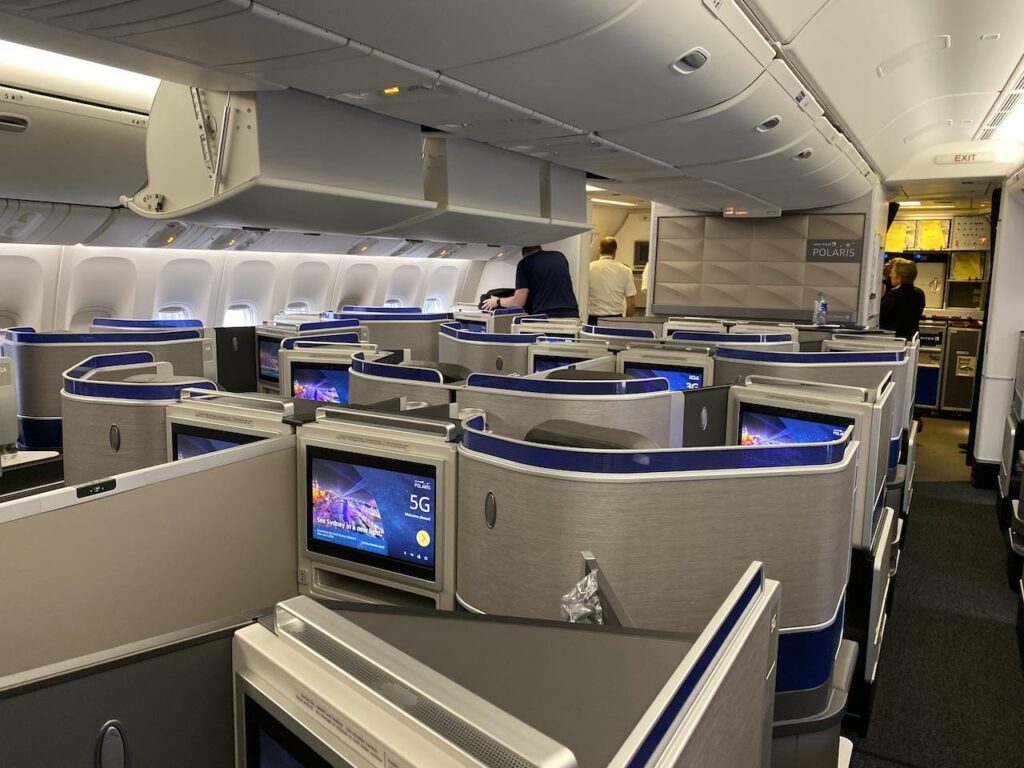
The value of frequent flyer miles varies widely depending on how they are used. In some cases, miles can be worth less than a penny each. In others, they can reach valuations close to ten cents per point. The biggest value almost always appears when redeeming miles for premium cabins on long-haul routes.
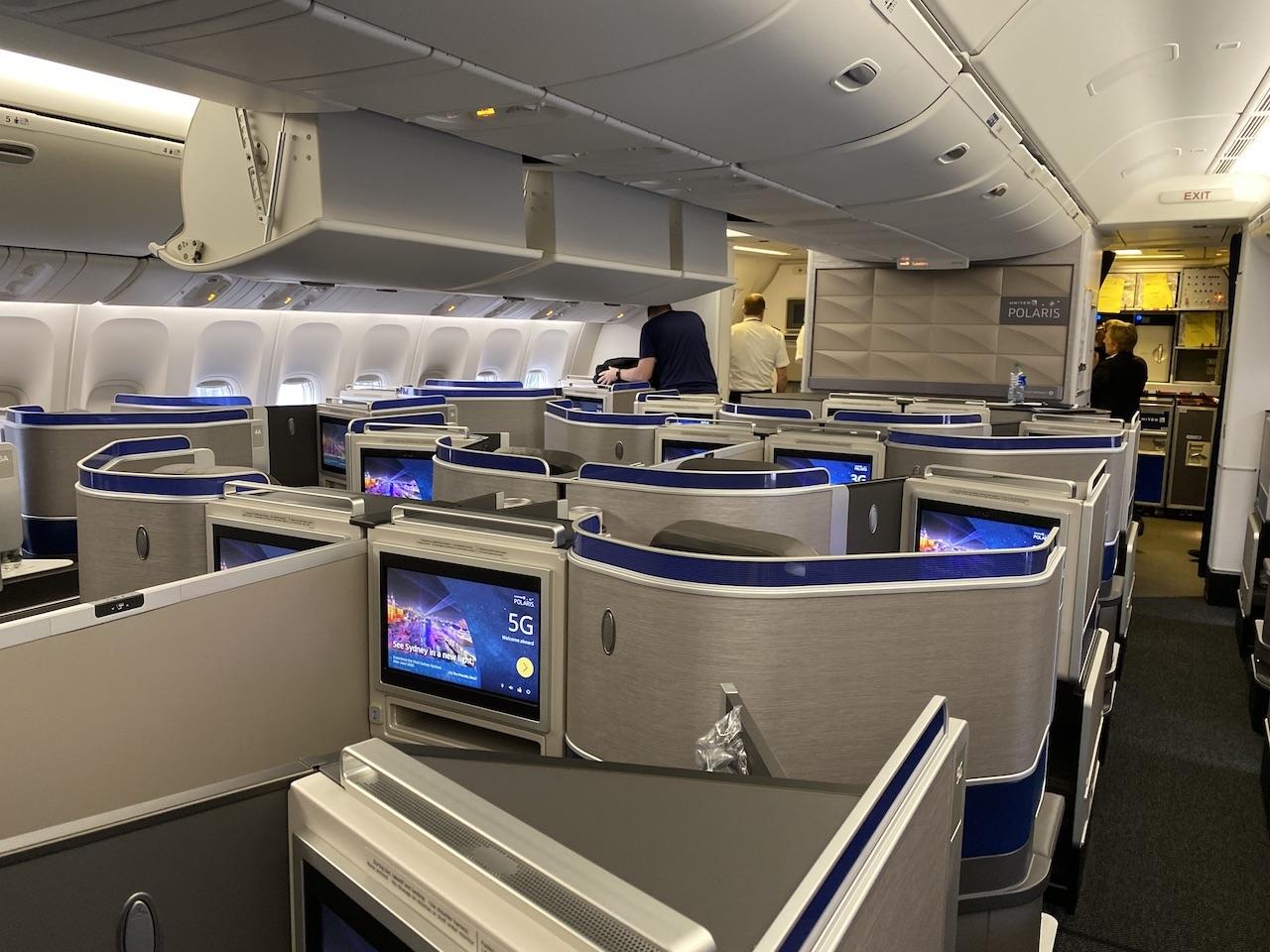
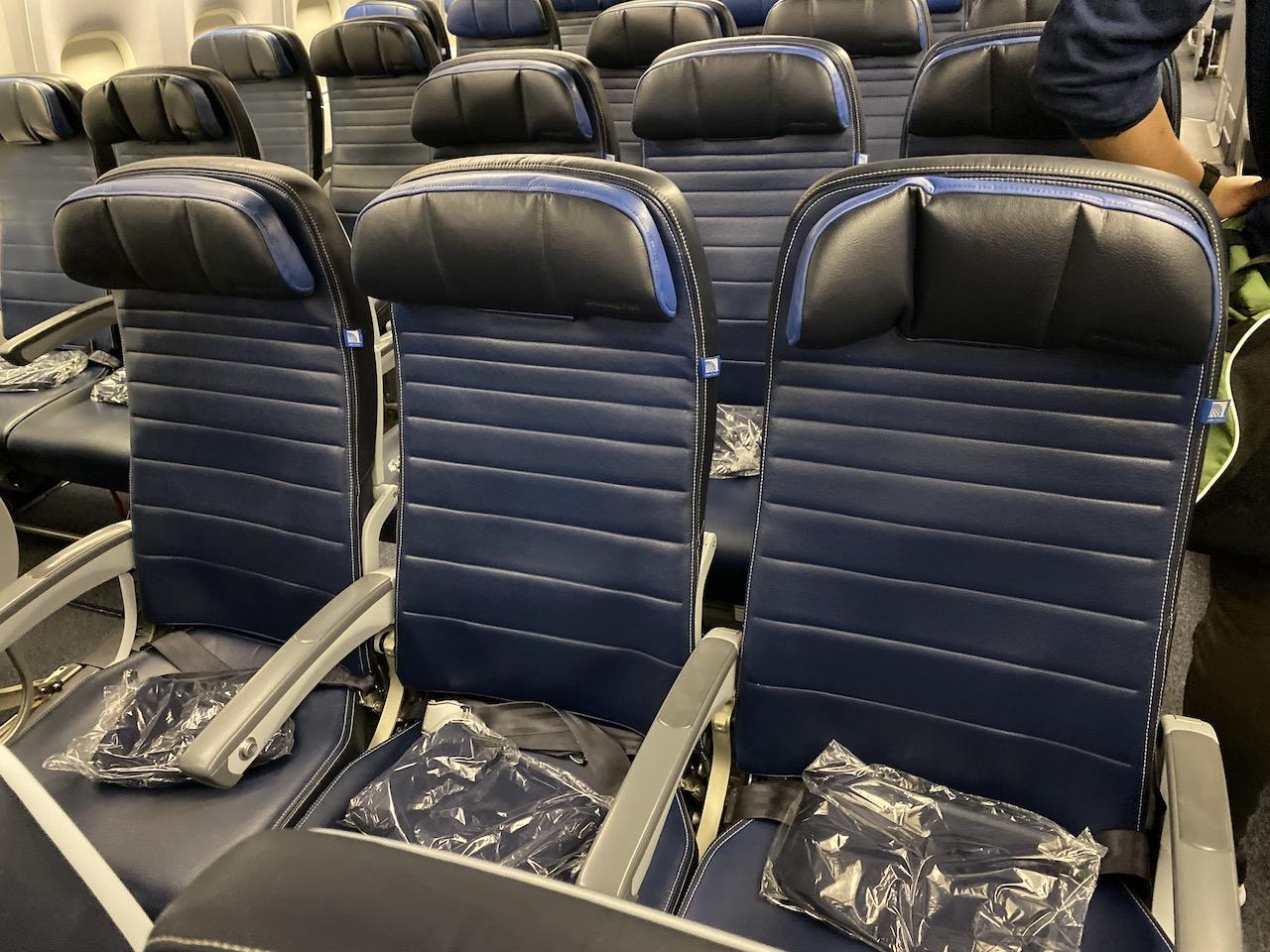
Consider flight costing on a long international journey. A business class ticket priced at $18,000 might require around 140,000 miles plus modest taxes. Compare that to a coach ticket costing $450 that still requires 60,000 miles. Both redemptions have value, but one clearly stretches the number of miles much further.
Earning Miles Beyond Flying
Flying is the most obvious way to earn frequent flyer miles, and every flight counts no matter how short or obscure. Still, most travelers do not fly often enough to earn meaningful rewards through flights alone. That is where loyalty programs truly shine.
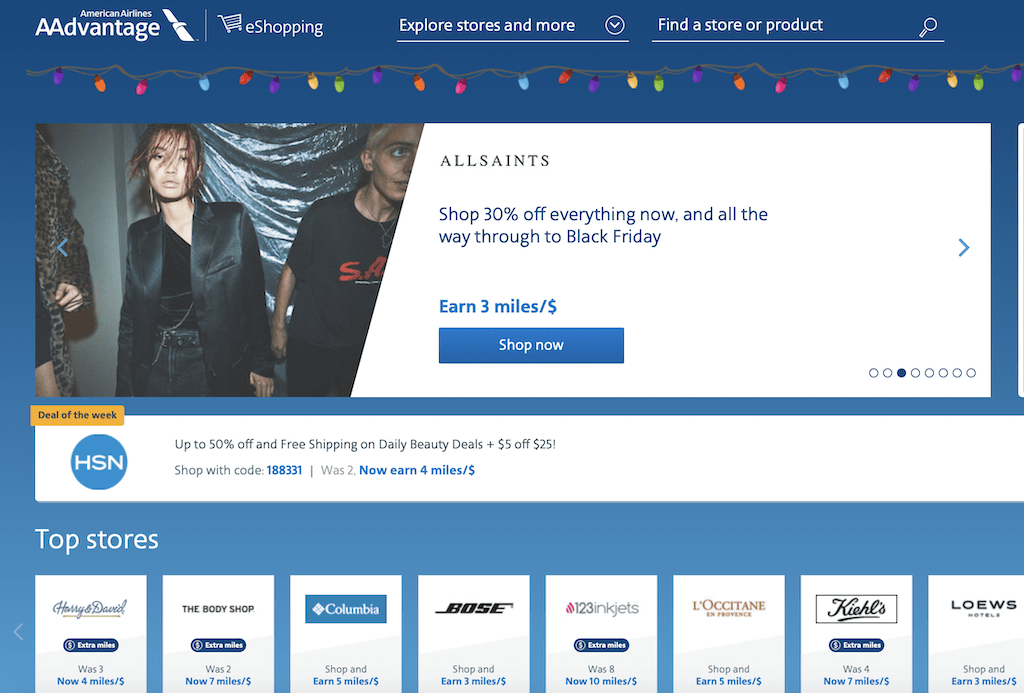
Shopping portals are one of the easiest ways to earn airline miles on purchases you already make. For example, American Airlines allows members to log into its shopping portal and earn miles by clicking through to popular retailers. Buying a sweatshirt, kitchen supplies, or even gift cards through the portal can earn one to five miles per dollar spent.
Travelers can also earn frequent flyer miles by crediting hotel stays and car rentals to an airline frequent flyer program instead of a hotel rewards program. While hotel points have value, airline miles often offer more flexibility across major airlines and partner airlines.
The Role of Travel Rewards Credit Cards
Travel rewards credit cards are one of the fastest ways to earn airline miles without boarding a plane. Many cards offer generous welcome bonuses, sometimes enough for a free flight or more after meeting minimum spending requirements.
Some travelers prefer branded airline credit cards tied to a specific airline. These cards often include perks like free checked bags, priority boarding, and accelerated earning within that airline frequent flyer program. Others prefer flexible cards like those earning Chase Ultimate Rewards, which can be transferred to multiple airline loyalty programs.
Choosing the right card depends on your travel habits. If you consistently fly one specific airline, a branded card may make sense. If you value flexibility, transferable rewards programs often provide more long-term value.
Frequent Flyer Programs and Major Airlines
Most major airlines operate their own frequent flyer programs, each with unique rules and strengths. American Airlines, Delta Air Lines, and United Airlines dominate the US market, while Alaska Airlines offers one of the most flexible programs for international travel.
Airline alliances expand these programs even further. Partner airlines allow you to earn airline miles on one carrier while flying another. This is especially useful for international travel, where alliances cover nearly every region of the world.
Understanding which airlines partner together helps travelers earn and redeem miles more efficiently. It also allows you to credit flights to the program that offers the best value for your travel goals.
Why Some Miles Feel Hard to Use
One of the biggest frustrations with frequent flyer miles is availability. Travelers often complain that award seats are never available when they want to travel. While this can be true during peak periods, most challenges stem from rigid travel plans.
Award inventory is limited, especially on popular routes during holidays. Trying to book a free flight departing the Wednesday before Thanksgiving and returning the following Sunday is notoriously difficult. Flexibility with dates, routes, and even airports dramatically increases success.
Another factor is airline pricing strategy. Direct flights often cost more in miles because they are in higher demand. Connecting itineraries can sometimes require fewer miles, even if they are less convenient.
Redeeming Miles Like a Pro
Redeeming miles takes a bit of patience, but it does not have to be complicated. Booking flights well in advance usually offers the best availability, especially for business class and other premium cabins. Some airlines also release award seats close to departure, which works well for travelers with flexible schedules.
Knowing when to use miles versus cash matters just as much. Not every redemption is a good one. A $100 domestic ticket is rarely worth spending 25,000 miles on, while long-haul or high-priced routes tend to deliver much better value.
Miles can also be used for upgrades, though availability varies by airline. In many cases, upgrading from coach to business class on an international flight offers some of the strongest value you can get from your miles.
Small Balances Still Have Value
Even a small number of miles can be useful. Many airline frequent flyer programs allow redemptions for magazines, merchandise, or gift cards. While these options may not stretch miles to their fullest potential, they do prevent them from going unused.
Some programs also offer family pooling or mileage transfers, making it easier to combine smaller balances into something meaningful. A quick review of your rewards program rules can often uncover options you did not realize you had.
Understanding Airline Reward Program Structures
Airline reward programs are designed to reward loyalty over time. Most operate on tiered systems, where benefits increase as travelers fly more or spend more. Higher tiers often include perks like lounge access, priority services, and bonus earning rates.
Earning elite status usually requires a mix of miles flown and dollars spent. While that may be out of reach for casual travelers, the ability to earn and redeem miles remains valuable at every level.
Because airlines adjust their programs regularly, staying informed helps travelers adapt and protect the value of their miles.
Choosing the Right Loyalty Program
Choosing the right airline loyalty program starts with knowing how you travel. Look at which airlines operate out of your home airport and which routes you fly most often. A program that matches your habits will naturally grow faster.
Route coverage also matters. Airlines with strong international partners provide more options when it comes time to redeem miles. Some programs use fixed award charts, while others rely on dynamic pricing tied to cash fares.
There is no universal best program. The right choice is simply the one that fits your travel style.
Lesser Known Programs with Big Value
While major airlines get most of the attention, smaller programs can offer impressive value. Alaska Airlines Mileage Plan is often praised for generous earning and excellent international partners.
JetBlue TrueBlue appeals to travelers who value simplicity, while Southwest Rewards focuses on transparency and ease of use. These programs may not emphasize luxury cabins, but they shine when it comes to consistency.
Holding miles across a few programs can make sense, especially for travelers who fly a variety of routes and airlines.
Booking Flights with Miles
Booking flights with miles requires a slightly different mindset than booking with cash. Flexibility with dates and routes often makes the difference between frustration and success. Sometimes the best award option is not the most direct one.
Airline websites vary in how easy they make award searches. Some tools are intuitive, while others require persistence. Understanding the airline’s basic rules goes a long way in simplifying the process.
Miles can usually be used for one-way flights, round trips, or more complex itineraries, depending on the program.
Why Many Travel Agencies Avoid Miles
Many travel agencies do not assist with frequent flyer miles because award bookings can be time-consuming and difficult to execute. Airlines also do not compensate agents for award tickets, removing financial incentive.
Access is another challenge. Airlines often limit third-party access to award inventory, making bookings harder without specialized experience.
Scott & Thomas take a different approach. Helping clients understand loyalty programs supports a long-term relationship built on better travel, not just transactions.
Why Scott & Thomas Embrace Loyalty Programs
Helping clients earn and use frequent flyer miles is personal for Scott & Thomas. For many travelers, miles make trips possible that would otherwise stay on the wish list.
Miles also improve comfort. Flying business class using points reduces fatigue and makes shorter trips far more enjoyable. Being able to sleep on an overnight flight can change the entire experience.
Better rest often means traveling more often and enjoying it more.
Practical Tips to Earn More Miles
Always add your frequent flyer number when booking flights, even short ones. Use shopping portals whenever possible for online purchases. Travel rewards credit cards can also accelerate earning when matched with the right airlines.
Watch for promotions and bonuses, as airlines and credit cards frequently offer limited-time opportunities. Small actions add up faster than most people expect.
Keeping track of balances and expiration dates ensures miles never go to waste.
Common Mistakes to Avoid
One of the biggest mistakes travelers make is holding onto miles for too long. Miles are not an investment and can lose value over time. Using them when good opportunities arise is often the smarter choice.
Another mistake is redeeming miles without comparing cash prices. A quick comparison helps ensure you are getting reasonable value.
Spreading earning across too many programs can also slow progress. Focused earning leads to usable balances sooner.
The Emotional Value of Miles
Beyond the numbers, frequent flyer miles carry real emotional value. They enable family trips, celebrations, and experiences that might not otherwise happen.
For some travelers, miles make it possible for children to see the world early. For others, they allow more frequent visits with loved ones who live far away.
Travel made possible through miles often feels more meaningful because it is intentional and earned.
Miles Work Best When You Have a Goal
Frequent flyer miles are easier to manage when you earn them with a purpose. Whether the goal is a free flight, an upgrade, or a specific route on major airlines, having an end point helps guide which frequent flyer programs to focus on. Loyalty programs reward consistency, so concentrating your earning with one airline loyalty program often leads to better results. A clear goal keeps miles from sitting unused and losing value.
Flexibility Unlocks Better Redemptions
Being flexible with travel dates and routes dramatically improves how you use frequent flyer miles. Booking flights midweek or choosing partner airlines can reduce the number of miles required for the same trip. Many airline frequent flyer programs price awards differently than cash tickets, which can work in your favor with a little patience. Flexibility turns limited availability into real opportunities.
Miles Simplify Travel Planning Over Time
As balances grow, frequent flyer miles make travel booking less stressful. Instead of worrying about rising prices, miles provide a cushion when flight costing spikes unexpectedly. Over time, loyalty programs allow travelers to book flights with confidence, knowing they have options beyond paying cash. That peace of mind is one of the quiet benefits of earning and using airline miles consistently.
Final Thoughts
Frequent flyer miles remain one of the most powerful tools in travel when used thoughtfully. Loyalty programs reward everyday spending, flexibility, and a bit of planning with experiences that would otherwise feel out of reach.
From shopping portals and travel rewards credit cards to partner airlines and smart booking decisions, miles favor those who pay attention. While there is a learning curve, the rewards are real. With the right approach, frequent flyer miles turn travel from an occasional luxury into a regular part of life.
